Top 7 Reasons to Hire a Landlord Attorney Before Legal Disputes Arise
Vital Legal Circumstances That Require Support From a Landlord Lawyer
Landlords often come across intricate legal circumstances that demand the knowledge of a proprietor attorney. Problems such as expulsion procedures, lease disputes, and renter discrimination cases can arise suddenly. Steering through these issues needs a thorough understanding of the regulation and precise documentation. Without appropriate legal support, property managers might find themselves at a substantial disadvantage. Recognizing these necessary scenarios can help property managers safeguard their passions and assurance conformity with legal demands. What difficulties might they deal with next?
Comprehending Eviction Procedures and Lawful Grounds
Understanding the expulsion process and the lawful grounds for doing so is crucial when proprietors seek to regain possession of their rental buildings. Eviction usually starts with a legal notification, which varies by jurisdiction and defines the factor for expulsion, such as non-payment of rent or lease violations. Adhering to the notification period, proprietors should file an eviction suit if the tenant falls short to leave. It is necessary for proprietors to present engaging proof in court, consisting of lease arrangements and interaction documents. Experience with neighborhood legislations is important, as improper procedures can lead to delays or termination of the instance. Involving a property owner attorney can offer support through this complex process, making sure compliance with all lawful demands and securing proprietor legal rights.
Navigating Lease Contract Disputes
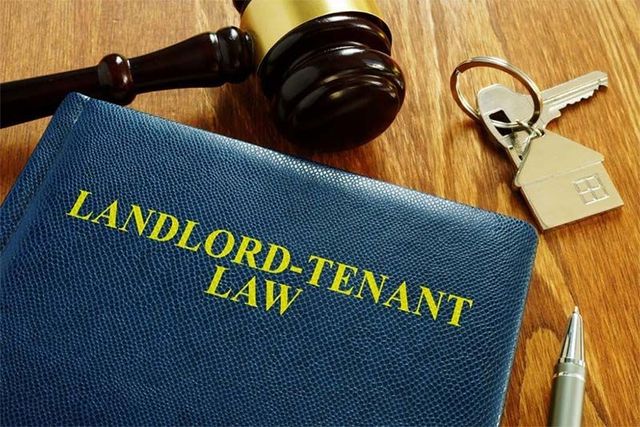
Lease arrangement disputes are a typical difficulty encountered by property owners and lessees alike. Understanding the kinds of conflicts, efficient settlement methods, and the lawful rights involved is vital for settling these concerns. This area will explore these crucial points to provide clearness and support.
Common Lease Disputes

How can renters and property owners effectively browse the intricacies of lease disagreements? Common lease disputes frequently arise from misconceptions or arguments over terms laid out in the lease arrangement. Issues might include late lease repayments, property upkeep obligations, and unauthorized modifications to the rental. In addition, disagreements can stem from safety down payment reductions, lease offenses, or disputes relating to discontinuation notifications. Effective interaction remains crucial for dealing with these conflicts before they escalate. Landlords and lessees need to document all communications and keep copies of document pertaining to rent agreements. Looking for legal suggestions can likewise provide quality on commitments and civil liberties, making sure both parties understand the regards to their lease. Ultimately, positive actions can aid minimize problems and cultivate a positive landlord-tenant relationship.
Settlement Methods Described
Steering lease agreement disagreements calls for effective arrangement techniques to solve disputes agreeably. Landlords and renters need to prepare by clearly comprehending their placements and the specifics of the lease. Energetic listening is vital; acknowledging the other party's concerns promotes an atmosphere for resolution. Providing concessions can promote agreements, such as versatile layaway plan or adjustments to lease terms. Establishing clear interaction networks and establishing a timeline for discussions can likewise enhance the arrangement procedure. Utilizing objective standards, such as market rates or lawful requirements, helps both celebrations discover common ground. When needed, involving a neutral 3rd party, like a mediator, can supply added support within a fair option, ensuring that both sides feel heard and valued.
Legal Rights Overview
Understanding legal civil liberties is vital for both tenants and property managers maneuvering lease contract disagreements, as these legal rights dictate the structure within which disputes can be dealt with. Landlords have the right to receive lease settlements on schedule, apply lease terms, and maintain building standards. Alternatively, occupants have the right to a habitable living atmosphere, privacy, and protection from unreasonable eviction (Landlord Attorney). Steven Adair MacDonald & Partners PC. When disagreements develop, it is crucial for both parties to describe the lease agreement, as it usually describes specific civil liberties and duties. If disputes rise, arbitration or lawful action may be necessary. Looking for help from a property owner lawyer can offer clarity on civil liberties and obligations, helping to browse complex situations effectively and making certain conformity with local housing legislations
Taking Care Of Down Payment Disputes
When a tenant leaves a rental residential property, disagreements over the down payment can often develop, producing tension in between property owners and occupants. These disagreements commonly entail disputes regarding the total up to be returned or reductions for damages. Landlords have to follow state laws regarding protection down payments, which frequently determine the duration and conditions under which reductions can be made. Clear documents, including move-in and move-out evaluation reports, can help validate insurance claims. Involving a landlord attorney can provide beneficial support in resolving these conflicts, guaranteeing compliance with legal responsibilities and enhancing the opportunities of a favorable resolution. Correct lawful support can additionally aid minimize possible litigation costs and cultivate better interaction between parties.
Dealing With Habitability Concerns and Upkeep Claims
In dealing with habitability problems, property owners have to understand the lawful requirements that define acceptable living problems. Effectively dealing with repair work requests is important, as it can prevent conflicts and guarantee occupant contentment. Furthermore, lessees have legal remedies offered to them if their rights are breached, emphasizing the value of conformity for proprietors.
Understanding Habitability Criteria
How do habitability criteria affect the responsibilities of property owners? These requirements develop the minimum conditions a rental home need to meet to ensure occupant safety and security and convenience. They incorporate crucial aspects such as sufficient home heating, pipes, electric systems, and structural stability. Landlords are lawfully obliged to maintain these requirements, seeing to it that the home is not just livable yet additionally certified with regional real estate codes. Failing to meet habitability requirements can lead to substantial legal repercussions, consisting of lawsuits and possible financial responsibilities. Additionally, understanding these standards is essential for property managers to successfully manage their buildings and react to tenant problems. By sticking to habitability demands, property owners can promote favorable renter connections and minimize disputes related to upkeep cases.
Dealing With Repair Service Requests
Attending to repair service requests immediately is essential for proprietors to maintain habitability standards and assure occupant contentment. Failing to respond properly can lead to a wear and tear of building conditions and increased lessee issues. Landlords ought to establish clear interaction channels for tenants to report maintenance issues, seeing to it that requests are recorded and resolved in a timely manner. Routine home inspections can additionally help recognize possible concerns before they intensify into bigger problems. Comprehending neighborhood laws concerning fixing obligations is crucial, as these policies dictate the proprietor's responsibilities. In situations of substantial repair work, landlords may take advantage of getting in touch with a property owner lawyer to navigate legal effects and warranty compliance with suitable housing codes. Motivate action fosters favorable landlord-tenant relationships and lessens lawful disagreements.
Lawful Treatments for Lessees
When property owners stop working to fulfill fixing commitments, tenants have numerous legal remedies readily available to attend to habitability problems and maintenance cases. One effective solution is the right to hold back rental fee up until necessary fixings are made, given lessees follow neighborhood laws. They might also go after a rental fee decrease for diminished living conditions. An additional option involves filing a complaint with local housing authorities, which can prompt examinations and possible citations against the property owner. Tenants deserve to fix and deduct, allowing them to make needed repairs and subtract the prices from their rent. In extreme cases, occupants may take into consideration going after lawsuit for violation of the lease agreement, looking for problems or termination of the lease. Lawful counsel can direct tenants through these processes effectively.
Taking Care Of Occupant Discrimination Claims
Numerous landlords experience the complexities of managing lessee discrimination cases, which can markedly influence their rental operations. Steven Adair MacDonald & Partners PC. Landlord Attorney. Discrimination claims commonly develop from allegations based upon race, sex, disability, or various other protected characteristics. Such insurance claims can bring about legal disputes, monetary obligations, and reputational damages if not attended to promptly and appropriately. Landlords should ensure compliance with federal, state, and regional reasonable housing legislations to alleviate risks. Engaging a proprietor lawyer can provide vital advice in helpful resources guiding via these cases, including examining proof, replying to problems, and representing the property manager in court if essential. A lawyer's knowledge is indispensable in establishing effective plans, educating team, and developing a reasonable and inclusive rental setting, inevitably guarding the property manager's rate of interests and promoting equitable real estate techniques
Replying To Rent Control and Rent Rise Rules
As proprietors maneuver via the intricacies of lease control and rent out boost laws, they have to stay alert to guarantee conformity while shielding their monetary passions. Understanding local legislations is essential, as policies can significantly differ by jurisdiction. Landlords ought to keep accurate documents of rental rates, lessee contracts, and any kind of communication relevant to rent out boosts. Involving with a landlord attorney can give important support in translating these regulations, ensuring that any recommended rental fee boosts straighten with lawful demands. Furthermore, property managers have to connect transparently with renters concerning adjustments and adhere to any type of called for notice periods. Failing to abide by rent control policies can cause fines, making professional legal support vital in maneuvering these obstacles properly and maintaining a stable rental service.
Planning for Court and Legal Proceedings
Maneuvering with the court system can be frightening for landlords, comprehensive preparation is vital for an effective result. Landlords need to gather all appropriate records, consisting of lease arrangements, settlement documents, and document with lessees. This documentation acts as important evidence in court. Additionally, proprietors need to acquaint themselves with neighborhood regulations and regulations that concern their instance, as this expertise can greatly impact their lawful technique. Consulting with a property manager attorney can help and offer indispensable insights enhance the prep work procedure. Exercising court discussions and expecting potential inquiries from the court can likewise enhance a proprietor's self-confidence. Eventually, appropriate prep work equips property owners with the tools required to promote for their rights efficiently in legal proceedings.
Frequently Asked Questions
Just How Much Does Hiring a Landlord Attorney Normally Expense?
Employing a property owner attorney typically costs in between $150 to $500 per hour, depending on the attorney's experience and area. Some may also supply flat costs for particular solutions, which can vary substantially based on intricacy.
Can I Represent Myself in Landlord-Tenant Disputes?
Yes, people can represent themselves in landlord-tenant disagreements. Nevertheless, maneuvering with lawful complexities without professional help might result in negative outcomes, making it suggested to look for assistance from an experienced attorney for better results.
What Qualifications Should I Seek in a Landlord Attorney?
When selecting a property manager lawyer, one must focus on qualifications such as bar association membership, expertise in landlord-tenant legislation, pertinent experience, favorable customer testimonials, and a tried and tested record in successfully dealing with similar disputes.

Just how Long Does the Expulsion Process Generally Take?
The eviction procedure usually takes anywhere from a few weeks to several months, relying on local regulations, court timetables, and whether the lessee competitions the eviction, which can prolong the timeline significantly.
What Are the Usual Mistakes Landlords Make in Legal Scenarios?
Usual mistakes landlords make in lawful situations consist of falling short to understand regional laws, overlooking correct paperwork, miscommunication with tenants, ignoring lease terms, and not looking for specialist lawful guidance when conflicts emerge, leading to costly consequences.
Recognizing lawful rights is important for both property managers and renters navigating lease arrangement disputes, as these civil liberties determine the structure within which problems can be dealt with. Engaging a property manager lawyer can provide beneficial guidance in fixing these conflicts, making sure compliance with lawful obligations and optimizing the chances of a beneficial resolution. In situations of considerable repair services, landlords may benefit from getting in touch with a property owner attorney to navigate legal implications and guarantee conformity with suitable housing codes. When property managers stop working to satisfy repair responsibilities, tenants have several lawful treatments offered to address habitability concerns and maintenance claims. Engaging a property owner attorney can give crucial support in steering through these cases, consisting of reviewing proof, responding to issues, and representing the landlord in court if needed.